简介:理解Token.im钱包的基本功能 在数字货币不断普及的今天,钱包的使用变得尤为重要。Token.im钱包作为一款热门的...
Bitcoin wallets are essential tools for anyone looking to engage with cryptocurrency. They serve as digital containers for storing, sending, and receiving Bitcoin. Unlike traditional wallets that hold cash or credit cards, Bitcoin wallets do not store the cryptocurrency itself but rather the private and public keys that allow users to manage their Bitcoin holdings. Understanding the different types of wallets and their unique features is crucial before diving into the world of cryptocurrency.
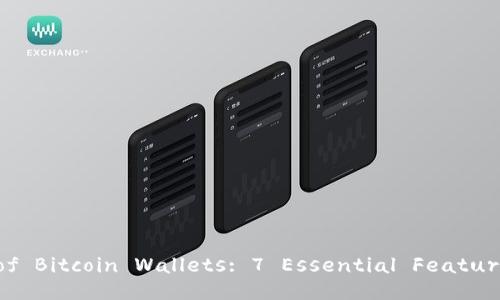
There are several types of Bitcoin wallets available, each designed to meet different user needs. The main types include hardware wallets, software wallets (online and mobile), desktop wallets, and paper wallets. Hardware wallets are physical devices that store keys offline, providing a high level of security. Software wallets, on the other hand, are applications that can be accessed via the internet or a smartphone. Desktop wallets are similar but are installed directly on a user's computer. Paper wallets provide a physical medium for storing keys but can be less convenient. Understanding these options helps users make informed choices about how to store their digital assets securely.
When selecting a Bitcoin wallet, certain features should be considered to enhance security and usability. Here are seven essential features to look for:
Security is paramount when it comes to cryptocurrencies. Look for wallets that offer two-factor authentication (2FA), multi-signature support, and recovery options. These features add layers of protection against hacking and unauthorized access. In a space where fortunes can be lost in seconds, a secure wallet is non-negotiable.
A user-friendly interface is important, especially for those who are new to cryptocurrency. Wallets should be easy to navigate with clear instructions and helpful customer support. An intuitive design can make the difference between enjoying the experience and feeling overwhelmed.
Some wallets are designed specifically for Bitcoin, while others support multiple cryptocurrencies. If you plan on diversifying your investment portfolio beyond Bitcoin, consider a wallet that can handle various types of digital currencies. This flexibility can save time and add convenience.
Even the most secure wallets can be lost due to hardware failure or user error. Reliable wallets provide easy backup options, such as recovery phrases or seed phrases, allowing users to restore their wallets in case of loss. Understanding how to properly back up your wallet can save you from catastrophic loss.
Wallets may come with different fee structures, including one-time purchase costs for hardware wallets or transaction fees for software wallets. Assessing these costs is vital as they can impact your overall investment strategy. Some wallets offer lower fees than others, making them more attractive for users who plan frequent transactions.
In our increasingly mobile world, having access to your Bitcoin wallet on the go is a significant advantage. Many wallets offer mobile applications that allow users to send, receive, and manage their investments directly from their smartphones. This feature enhances accessibility and convenience, especially for traders who need to act quickly.
A strong user community and customer support can drastically improve your experience with a wallet. Whether it's troubleshooting, learning about new features, or sharing tips, a vibrant community can provide a sense of trust and reliability. Look for wallets with active forums, regular updates, and comprehensive help resources.

Setting up your Bitcoin wallet should be a straightforward process. Start by researching and choosing a wallet that aligns with your needs. Once you've made your choice, follow the wallet's guidelines for installation or setup. Ensure you take the necessary security measures, such as creating strong passwords and enabling 2FA if available. After your wallet is set up, purchase Bitcoin from a reputable exchange and transfer it to your wallet, ensuring you understand how to send and receive transactions securely.
The realm of Bitcoin wallets is often surrounded by myths and misconceptions. One common myth is that digital wallets are completely anonymous. While they provide a level of privacy, all transactions are recorded on the blockchain, making them traceable. Another misconception is that wallets are inherently secure—many security vulnerabilities arise from user neglect, such as weak passwords and failure to back up wallets adequately. Understanding the truth behind these myths is crucial for staying safe in the crypto space.
Bitcoin wallets play a critical role in the management of digital currencies, and selecting the right one can significantly influence your investment experience. By taking the time to understand the different types of wallets, key features, and common misconceptions, users can mitigate risks and make informed decisions. Whether you're a casual user or a serious investor, considering factors such as security, usability, and support will enhance your cryptocurrency journey. As the world of digital assets continues to evolve, staying informed and prepared will empower you to navigate this exciting landscape with confidence.


简介:理解Token.im钱包的基本功能 在数字货币不断普及的今天,钱包的使用变得尤为重要。Token.im钱包作为一款热门的...

在数字货币迅速崛起的今天,如何安全地存储你的加密资产已成为每个投资者必须面对的重要问题。冷钱包,作为一...

随着加密货币的普及,越来越多的人开始使用数字资产进行交易和投资。其中,USDT(泰达币)作为一种稳定币,受到...
比特币自2009年问世以来,已经逐渐发展成为全球经济系统中重要的数字货币之一。比特币的安全性、匿名性和去中心...